What Makes Storefront Door Locks Wear Out Faster?
July 30, 2026
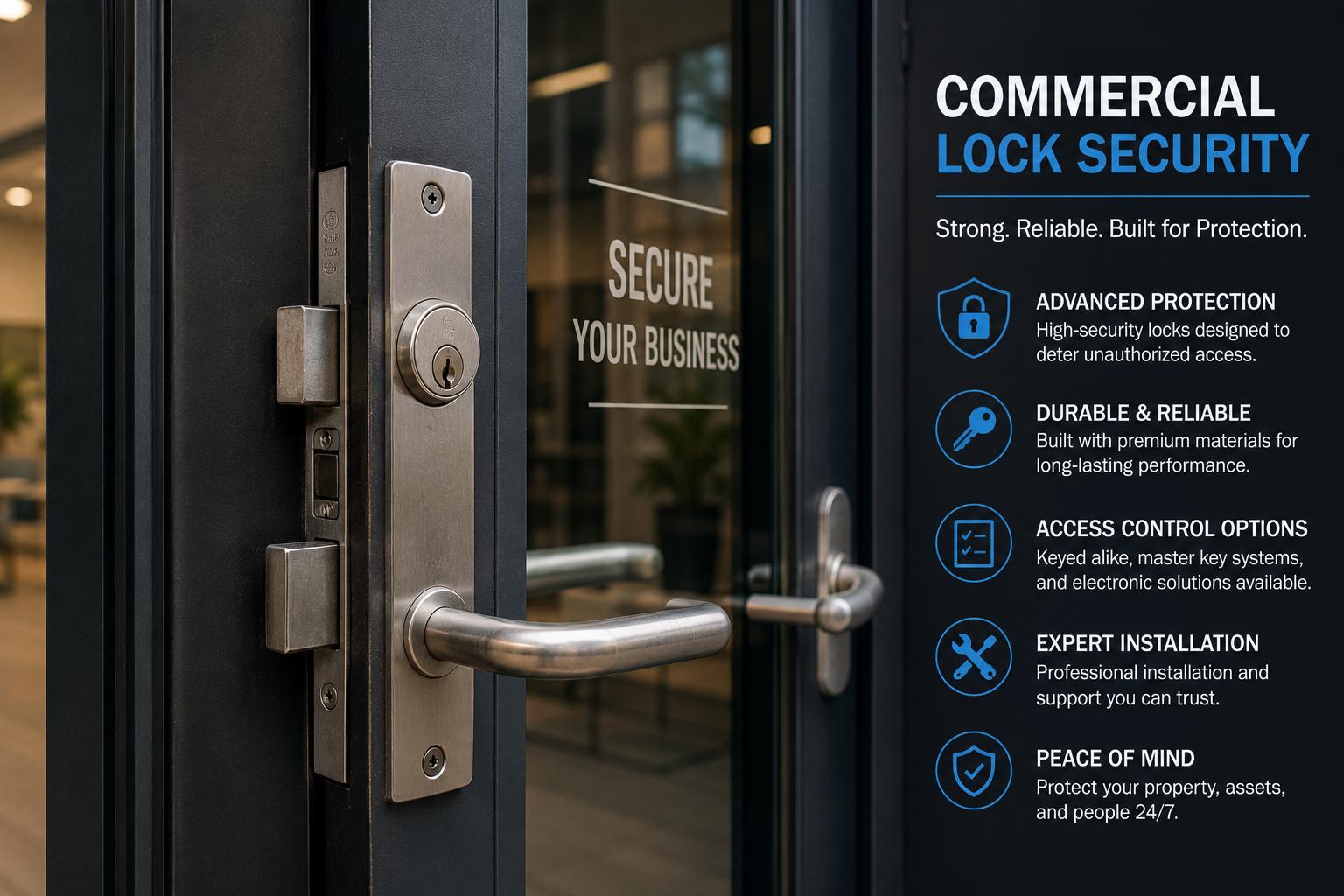
The Most Overworked Hardware in Your Building
A storefront door lock is used more frequently than almost any other piece of hardware in a commercial building. Employees arrive, customers enter, deliveries come and go, and at the end of the day someone locks up — then starts the whole cycle again the next morning. For businesses in Murray, Utah, this kind of daily repetition adds up fast.
Most business owners don't think about their locks until something goes wrong. But by then, the signs of wear have usually been building for months. Understanding what accelerates that wear puts you in a position to act before the lock fails entirely.
Six Factors That Accelerate Storefront Lock Wear
Storefront locks don't wear out randomly — specific conditions drive the deterioration. These are the six most significant contributors:
1. Volume of Daily Use
The single biggest factor is simply how many times the lock is operated each day. A residential deadbolt might be used five to ten times daily. A busy retail storefront in Murray, Utah can easily see fifty to one hundred operations per day across staff, customers, and vendors. Each operation creates friction inside the cylinder, and over thousands of cycles, that friction degrades the pins, springs, and cam components.
2. Door and Frame Misalignment
A door that doesn't sit square in its frame forces the lock to work harder with every use. If the latch or bolt doesn't align cleanly with the strike plate, users compensate by lifting, pushing, or applying extra force to the door while turning the key. Multiplied across hundreds of daily operations, this added mechanical stress shortens the lock's useful life significantly.
3. Poor-Quality Key Duplicates
Commercial properties routinely have multiple key copies in circulation. When those copies are cut at low-quality services or from already-worn copies, the tolerances become imprecise. An imprecise key creates uneven contact with the cylinder's pin stack, generating friction and wear that a perfectly cut key would not produce. Over time, this damages both the key and the cylinder.
4. Weather and Environmental Exposure
Storefront locks face conditions that interior locks never encounter. In Murray, Utah, that means temperature swings across the full range of Utah seasons — hot dry summers, cold winters, and the occasional burst of wind-driven debris or moisture. Metal components expand and contract with temperature changes. Dust and grit work their way into the cylinder. Locks without weather-resistant seals or ANSI commercial-grade ratings deteriorate measurably faster in outdoor installations.
5. Neglected Lubrication
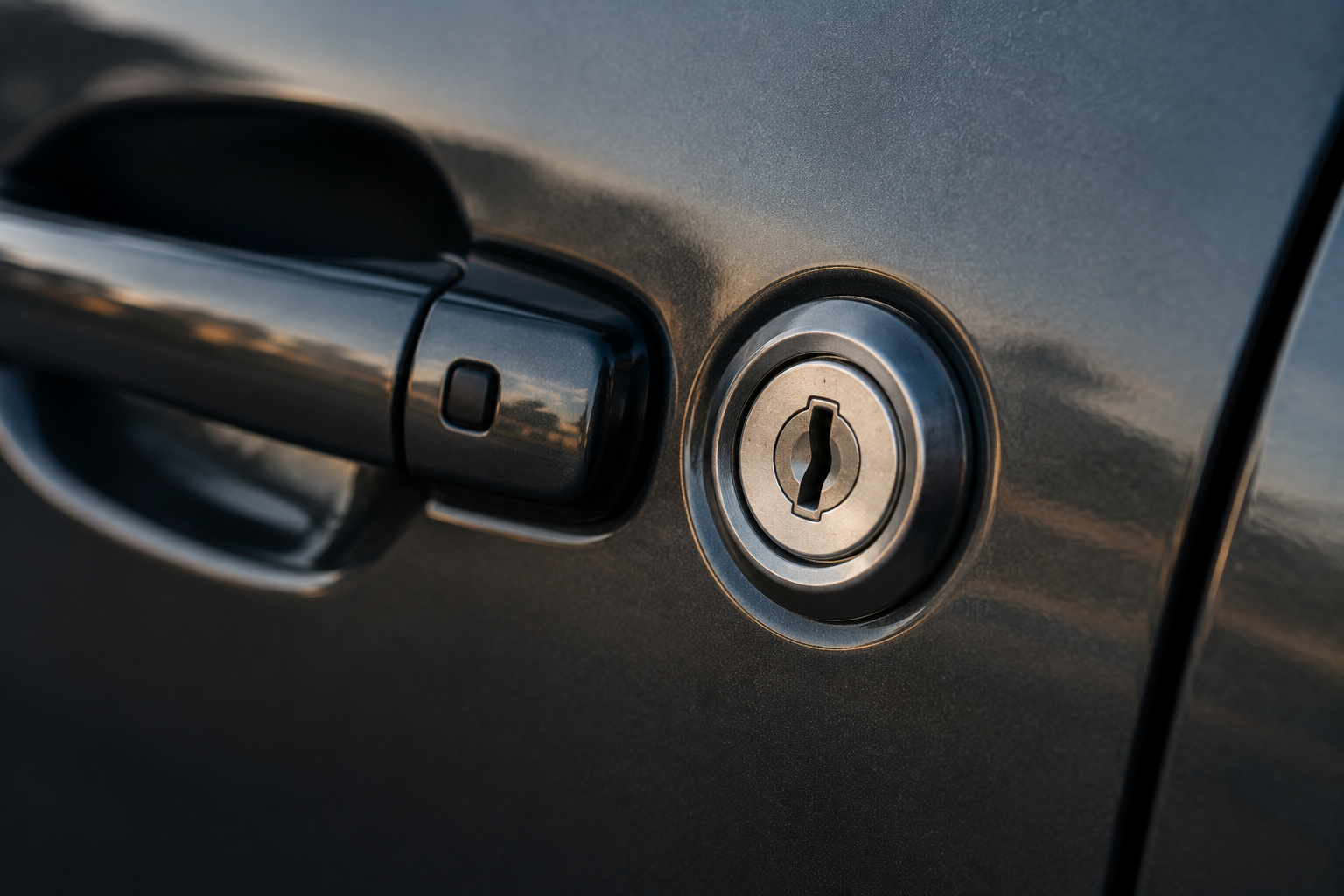
A properly lubricated lock cylinder operates with minimal internal friction. An unlubricated one grinds metal against metal with every key turn, accelerating wear on every moving part. Many business owners never lubricate their locks, not realizing it's necessary. A common mistake is using WD-40, which functions as a degreaser and actually attracts debris over time. The correct choice is graphite powder or a PTFE-based dry lubricant.
6. Physical Stress From Forced Entry Attempts
Storefront locks in higher-traffic commercial areas of Murray, Utah occasionally experience physical stress from attempted forced entry — a pulled handle, a kicked door, or a pried frame. The external hardware may look undamaged, but internal components can be bent or knocked out of alignment in ways that create premature failure weeks or months later.
Warning Signs to Watch For
Locks rarely fail without warning. These are the early indicators that your storefront lock is wearing out and needs attention before it fails completely:
- Stiffness or noticeable resistance when inserting or turning the key
- The latch or bolt requires multiple attempts to fully retract
- Users have to lift or push the door simultaneously while unlocking
- The key feels loose or wobbles once inserted into the cylinder
- Visible corrosion, pitting, or physical deformation on the lock body
- The deadbolt grinds or sticks at any point during extension or retraction
How Lock Performance Compares Across Maintenance Levels
The difference that regular maintenance makes is significant. The table below compares expected outcomes for storefront locks under different levels of care:
| Condition | Expected Lifespan | Failure Risk |
|---|---|---|
| Properly maintained, ANSI Grade 1 | 2–4 years | Low |
| Maintained, standard grade | 5–8 years | Moderate |
| Unmaintained, standard grade | 2–4 years | High |
| Unmaintained, budget grade | 1–2 years | Very High |
Practical Maintenance Steps
Extending lock lifespan does not require significant time or expense. These four practices make the most difference:
- Lubricate cylinders every six months using graphite powder or a PTFE-based dry lubricant — never WD-40.
- Inspect door alignment twice per year. If the door sticks or requires force to close properly, have the hinges or strike plate adjusted before the added stress reaches the lock.
- Audit key duplication. Know how many copies exist, who holds them, and whether duplicates were made from worn keys.
- Schedule a professional lock inspection annually — a locksmith can identify internal wear before it becomes an external failure.
Frequently Asked Questions
What ANSI grade should I look for in a commercial storefront lock?
ANSI Grade 1 is the highest commercial rating and is appropriate for storefront applications. Grade 2 is acceptable for lighter commercial use. Grade 3 is residential-only and should not be used on high-traffic storefront doors.
Can the strike plate affect how fast a lock wears out?
Yes. A misaligned or poorly mounted strike plate is one of the most common causes of accelerated lock wear. When the bolt or latch doesn't seat cleanly, every operation creates added stress. Adjusting the strike plate is a simple fix that can meaningfully extend lock life.
Is it better to repair or replace a worn storefront lock?
It depends on the extent of the wear and the age of the hardware. Cylinder rekeying and minor component replacement can restore a lock in early stages of wear. A lock that is mechanically compromised, visibly damaged, or no longer meeting its ANSI grade should be replaced.
How much does it cost to replace a commercial storefront lock in Murray, Utah?
Costs vary by hardware grade and the complexity of the installation, but most commercial storefront lock replacements in the Murray, Utah area fall in the range of $150 to $400 for parts and labor. Getting a quote from a local locksmith is always faster and usually less expensive than going through a general contractor.
Should I tell my employees how to handle the lock properly to reduce wear?
Absolutely. Employees who routinely force stiff locks, use excessive torque, or yank door handles while locking contribute to accelerated wear. A brief orientation on proper use — combined with prompt reporting of any stiffness or resistance — can extend lock life noticeably.
Protecting Your Murray, Utah Storefront
A worn lock does not announce itself until the day it fails — and a lock that fails while you're trying to close up, or one that won't open on a Monday morning, creates problems that affect your whole business. The good news is that with basic maintenance and early attention to the warning signs, most storefront locks will serve reliably for many years.
Lynn's Lockshop
provides commercial lock maintenance, repair, and replacement services for storefronts throughout Murray, Utah and the surrounding Salt Lake Valley. If your locks are showing signs of age or you can't remember the last time they were serviced,
call (801) 699-0511 and schedule an inspection before a small problem becomes an urgent one.