What Happens If You Ignore a Jammed Deadbolt Too Long?
September 13, 2026

The Problem That Feels Minor Until It Isn't
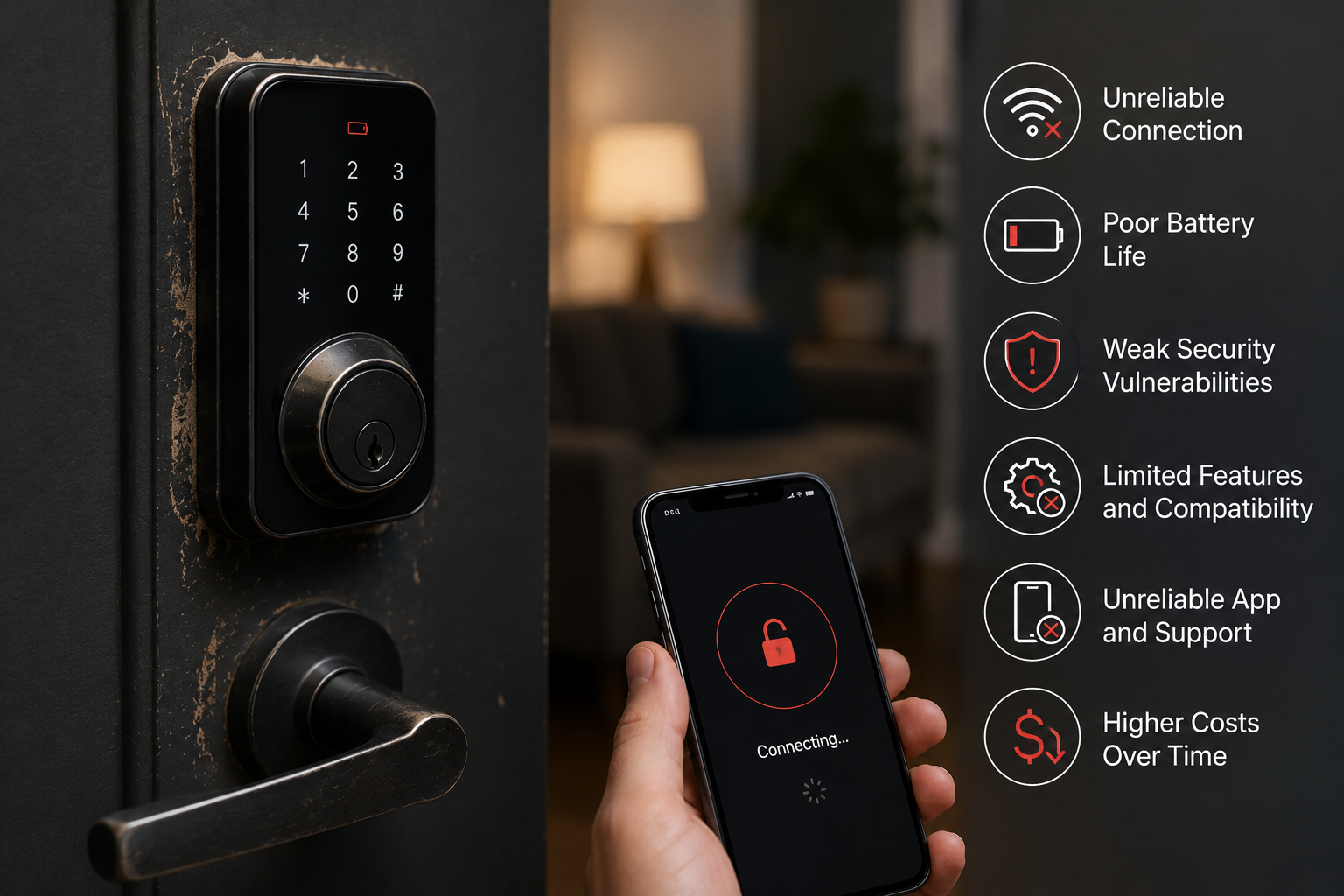
It starts as a small inconvenience. You turn the key and the deadbolt is stiff. You wiggle it, add a little extra pressure, and eventually it catches. You make a mental note to do something about it and then forget, because it worked. A week later it is a little worse. You apply more force. It still works. This cycle continues until one day it doesn't — and that day is almost never a convenient one.
For homeowners and renters in Murray, Utah, a jammed or stiff deadbolt is one of the most commonly ignored lock problems, and also one of the most consequential when left unaddressed. What begins as a minor mechanical issue evolves in predictable stages, each one more expensive and more inconvenient than the last.
What Causes a Deadbolt to Jam in the First Place
A deadbolt does not jam randomly. There is always a mechanical reason, and understanding the root cause is the first step toward addressing it correctly. The most common causes fall into four categories.
Door and Frame Misalignment
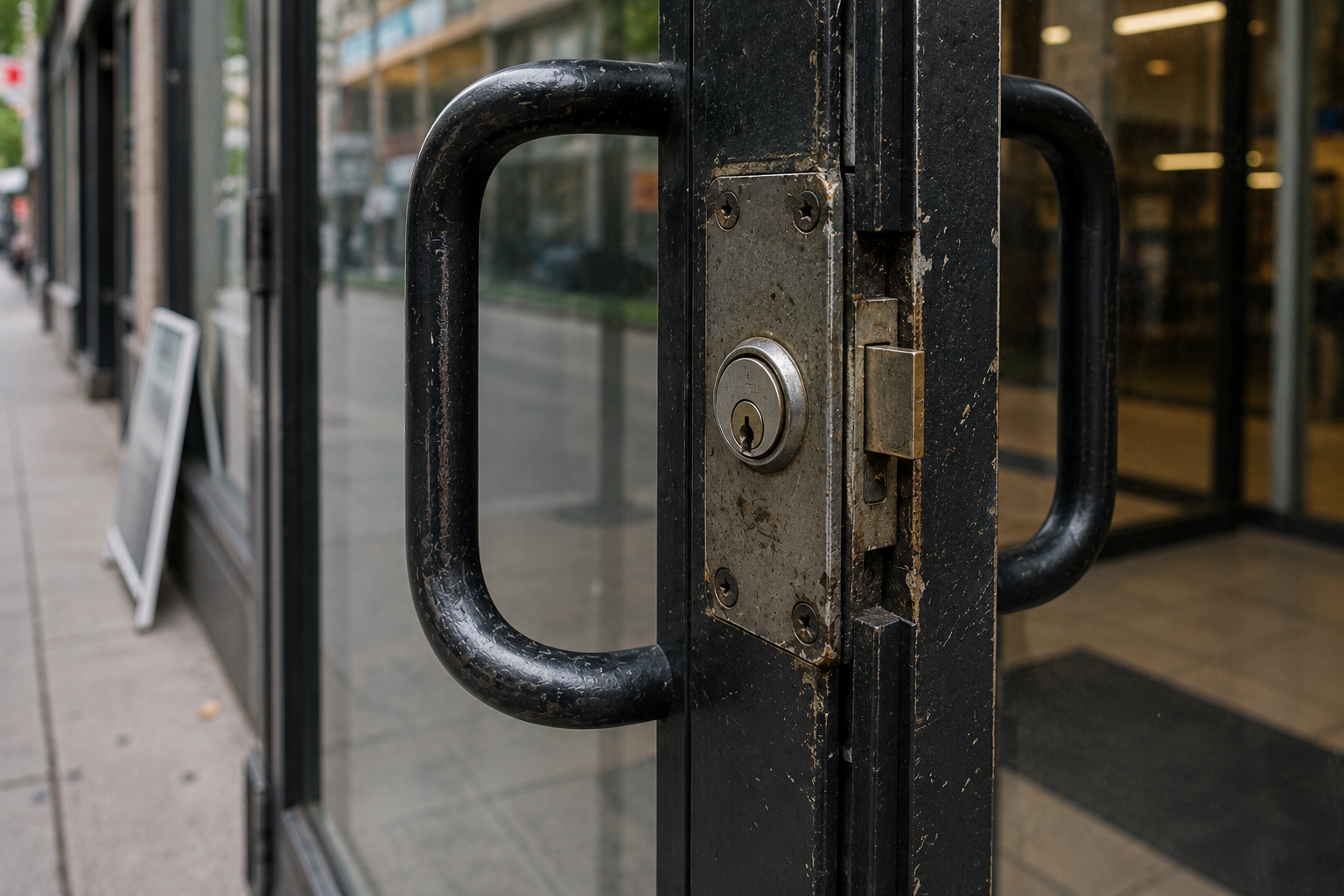
This is the single most frequent cause of a stiff or jammed deadbolt. Doors shift over time as foundations settle, humidity causes wood to expand and contract, and hinges wear and loosen. When the door no longer sits squarely in its frame, the bolt does not align cleanly with the strike plate opening. Every operation of the deadbolt forces the bolt against the edge of that opening instead of passing through it cleanly. Over time, this wears both the bolt and the strike plate.
Internal Cylinder Wear or Contamination
The cylinder — the part the key turns — contains a set of spring-loaded pins that must align precisely for the lock to operate. When the cylinder accumulates dust, debris, dried lubricant, or simply wears with age, those pins begin to bind. The lock becomes progressively harder to turn until it stops functioning altogether.
Bolt Mechanism Damage
The bolt itself, the cam that drives it, and the springs that return it to position are all mechanical components that wear with use. A deadbolt that has been forced repeatedly — whether by a user working around a jammed lock or by an attempted break-in — may have internal components that are bent, cracked, or misaligned in ways that are not visible from the outside.
Weather-Related Contraction and Expansion
In Murray, Utah, temperature swings between seasons are significant. Metal expands in heat and contracts in cold. A deadbolt that operates smoothly in summer may become notably stiffer in winter as the bolt and the strike plate shift relative to each other with temperature changes. If the alignment margin is already tight, a cold morning may be enough to jam it completely.
The Progression: What Happens the Longer You Wait
Ignoring a jammed deadbolt is not a neutral choice — it is an active one, and the situation worsens in stages. Here is how the problem typically develops over time.
- Minor stiffness: The bolt requires slightly more effort to turn. Most people compensate without thinking about it. The underlying cause continues uncorrected.
- Progressive resistance: The lock requires noticeably more force. Users may begin lifting or pushing the door simultaneously while turning the key — which temporarily compensates for misalignment but accelerates wear on both the bolt and the cylinder.
- Intermittent jamming: The lock works sometimes and fails others, often depending on temperature or how squarely the door is pulled shut. This stage is where most people start thinking about getting it fixed but still delay.
- Key damage: Repeated forced operation wears the key's cuts unevenly. The key may begin to bind, slip, or eventually break inside the cylinder — which converts a lock problem into a lockout problem.
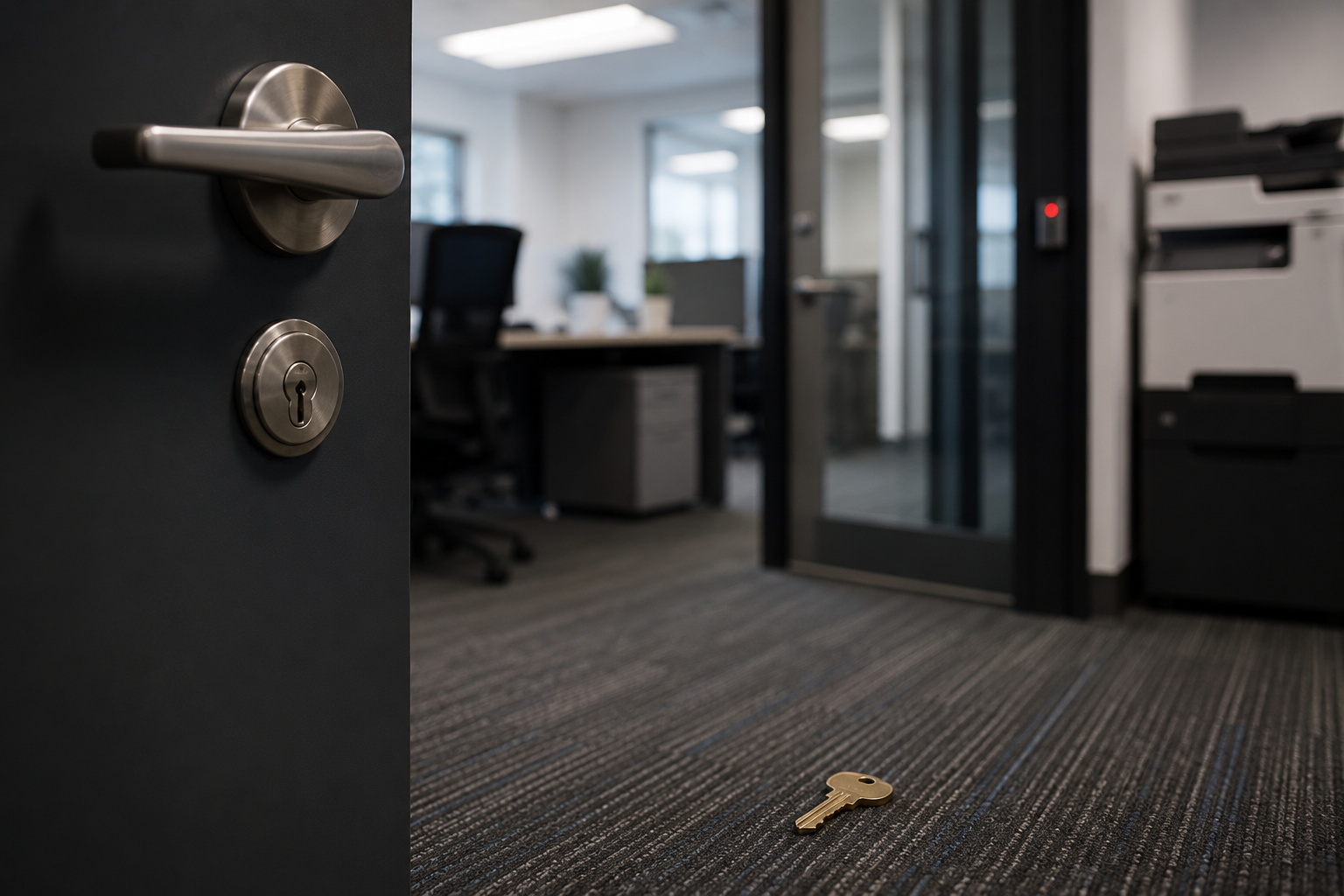
- Complete seizure or lockout: The bolt will not retract or extend. You are either locked in or locked out, with a lock that now requires professional intervention to open and likely needs full replacement.
- Secondary damage: Forcing a seized deadbolt can crack the cylinder housing, damage the door frame, or strip the strike plate mounting — turning a simple repair into a multi-component replacement job.
The Security Risk of a Compromised Deadbolt in Murray, Utah
Beyond the operational frustration, a jammed deadbolt represents a genuine security liability. A bolt that does not fully extend does not fully lock. If the deadbolt is only traveling partway into the strike plate opening because of misalignment or internal binding, the door may appear locked from the outside while providing significantly less resistance to forced entry than a properly functioning deadbolt should.
For homeowners in Murray, Utah, this matters particularly in neighborhoods where door security is the primary deterrent to opportunistic break-ins. A deadbolt that looks locked but isn't fully engaged is a vulnerability that is invisible from the street and unknown to the occupant — which makes it the worst kind of security gap.
How a Locksmith Diagnoses and Fixes a Jammed Deadbolt
A professional locksmith approaching a jammed deadbolt follows a systematic process to identify the root cause before recommending a fix. The steps typically progress as follows.
- Visual inspection of the door gap and bolt-to-strike-plate alignment to identify any visible misalignment.
- Testing the lock with the door open to determine whether the jam is in the cylinder or in the interaction between the bolt and the strike plate.
- Cylinder inspection for contamination, wear, or pin binding — including lubrication testing.
- Assessment of internal bolt mechanism condition, including the cam, springs, and bolt face.
- Determination of whether repair — lubrication, cylinder service, strike plate adjustment — or replacement is the appropriate solution given the hardware's condition and age.
Frequently Asked Questions
Can I lubricate a jammed deadbolt myself as a temporary fix?
Graphite powder or a dry PTFE-based lubricant applied to the keyway and bolt face can sometimes ease a stiff deadbolt temporarily. Avoid WD-40, which attracts debris and worsens the problem over time. If lubrication does not restore smooth operation, the issue is mechanical and needs a professional assessment.
How much does it typically cost to fix a jammed deadbolt?
Simple repairs — lubrication, cylinder cleaning, or strike plate adjustment — are typically in the $50 to $100 range for labor. If the cylinder or bolt mechanism needs replacement, parts add $30 to $150 depending on the lock grade. A full lock replacement for a severely damaged deadbolt runs $100 to $300 including hardware and labor.
Can a jammed deadbolt be fixed without replacing the whole lock?
Frequently, yes. Many jammed deadbolts are caused by misalignment or contamination rather than failed hardware. A locksmith can address both without replacing the lock. However, if the cylinder or bolt mechanism has sustained physical damage from repeated forcing, replacement is often the more reliable long-term solution.
My deadbolt only jams in winter — is that a different problem?
Not necessarily. Temperature-related jamming usually indicates that the alignment tolerance between the bolt and the strike plate is very tight. In mild weather, the bolt just barely passes through cleanly. In cold weather, contraction shifts components enough to cause binding. Adjusting the strike plate position typically resolves this.
How do I know if my door frame was damaged when I forced the deadbolt?
Look for wood splintering around the strike plate, a strike plate that has shifted or pulled away from the frame, or a door that no longer closes with the same resistance as before. Any of these signs suggest the frame was stressed and a locksmith should assess the damage before relying on that lock for security.
Address It Before It Makes the Decision for You
A jammed deadbolt is one of those problems that people live with longer than they should, and it almost always costs more to fix the longer it is ignored. The mechanical progression is predictable, the security risk is real, and the eventual outcome — a complete lockout or a forced replacement — is significantly more disruptive than the original repair would have been.
If your deadbolt in the Murray, Utah area is stiff, intermittent, or requires any workaround to operate, it is already in the early stages of this progression. Lynn's Lockshop handles deadbolt repairs and assessments throughout Murray, Utah and the surrounding communities — call
(801) 699-0511 to get it looked at before it gets worse.