Does a Higher Lock Price Actually Mean Better Security?
October 11, 2026
Price as a Proxy for Quality — and When It Misleads
Standing in the lock aisle at a hardware store in Murray, Utah, or scrolling through options online, it is easy to assume that price correlates directly with security. The twenty-dollar lock is basic. The one-hundred-dollar lock must be significantly better. The two-hundred-dollar lock should be nearly impenetrable. This logic feels intuitive — more expensive products are usually better products. But with locks, the relationship between price and security is more nuanced than most people expect, and using price as the primary guide leads to both overspending and under-protecting.
This blog examines what higher lock prices actually buy you, where the price-security relationship holds up, and where it breaks down entirely.
What Lock Pricing Is Actually Based On
Before evaluating whether a higher price means better security, it helps to understand what goes into lock pricing in the first place.
Materials and Manufacturing Tolerances
Premium locks use higher-grade metals — solid brass, stainless steel, or hardened steel alloys — with tighter manufacturing tolerances. The precision of the pin stack, the quality of the springs, and the density of the lock body all affect both durability and resistance to physical attack. These material differences are real and they do correspond to real security benefits. A solid brass deadbolt resists drilling and sawing better than a zinc alloy one. This part of the price-security relationship is legitimate.
Security Features and Anti-Tamper Engineering
Higher-priced locks often include specific security features that lower-priced locks do not. Security pins — spool or serrated pins that resist picking — are found in mid-to-premium locks but rarely in budget models. Hardened steel inserts resist drilling. Anti-saw pins prevent the bolt from being cut. Reinforced strike plates with longer screws are sometimes included. These features directly improve resistance to the most common attack methods and represent genuine security value.
Brand Premium and Aesthetic Design
Not all of a lock's price is security-related. A significant portion of premium pricing at the upper end of the market reflects brand positioning, finish quality, and design aesthetics. A brushed nickel deadbolt from a prestige brand may carry a price that is 40 percent higher than a functionally equivalent lock with a simpler finish from a less prominent brand. The security performance of both may be identical. Recognizing this helps you make better decisions without paying for presentation when what you actually need is protection.
Certification Costs
Locks certified to higher ANSI/BHMA grades undergo independent testing that costs the manufacturer time and money — and those costs are reflected in retail pricing. This is where the price-security relationship is most direct: locks with Grade 1 certification have passed specific tests for forced entry, pick resistance, and operational cycles that Grade 3 locks have not. The price difference between a Grade 3 and a Grade 1 lock reflects real differences in tested performance.
The ANSI Grading System: A More Reliable Guide Than Price
In Murray, Utah and everywhere else in the United States, the most reliable indicator of a lock's security performance is its ANSI/BHMA grade — not its price. The following table outlines what each grade means in practical terms.
| ANSI Grade | Best For | What It Tells You |
|---|---|---|
| Grade 1 | Commercial and high-security residential | Tested to 250,000 cycles; highest forced-entry resistance |
| Grade 2 | Standard residential use | Tested to 150,000 cycles; adequate for most homes |
| Grade 3 | Light residential or interior use | Tested to 75,000 cycles; minimum security, not for exterior doors |
A Grade 1 certified lock at $80 from a mid-tier brand outperforms an uncertified $150 lock from a premium brand on every measurable security dimension. Grade, not price, is the variable that matters most.
Where Higher Prices Genuinely Add Security Value
There are categories of locks where spending more does produce meaningful security improvements. These are the areas where the price-security relationship is strongest.
- High-security cylinders: Locks with Medeco, Mul-T-Lock, or ABLOY cylinders offer pick and drill resistance that goes well beyond standard locks. These legitimately cost more and legitimately perform better against sophisticated attacks.
- Reinforced strike plates and boxes: Some higher-priced locks include box strikes or extended strike plates with 3-inch screws that anchor into the door frame stud. This dramatically increases resistance to kick-in attacks and is a genuine security upgrade.
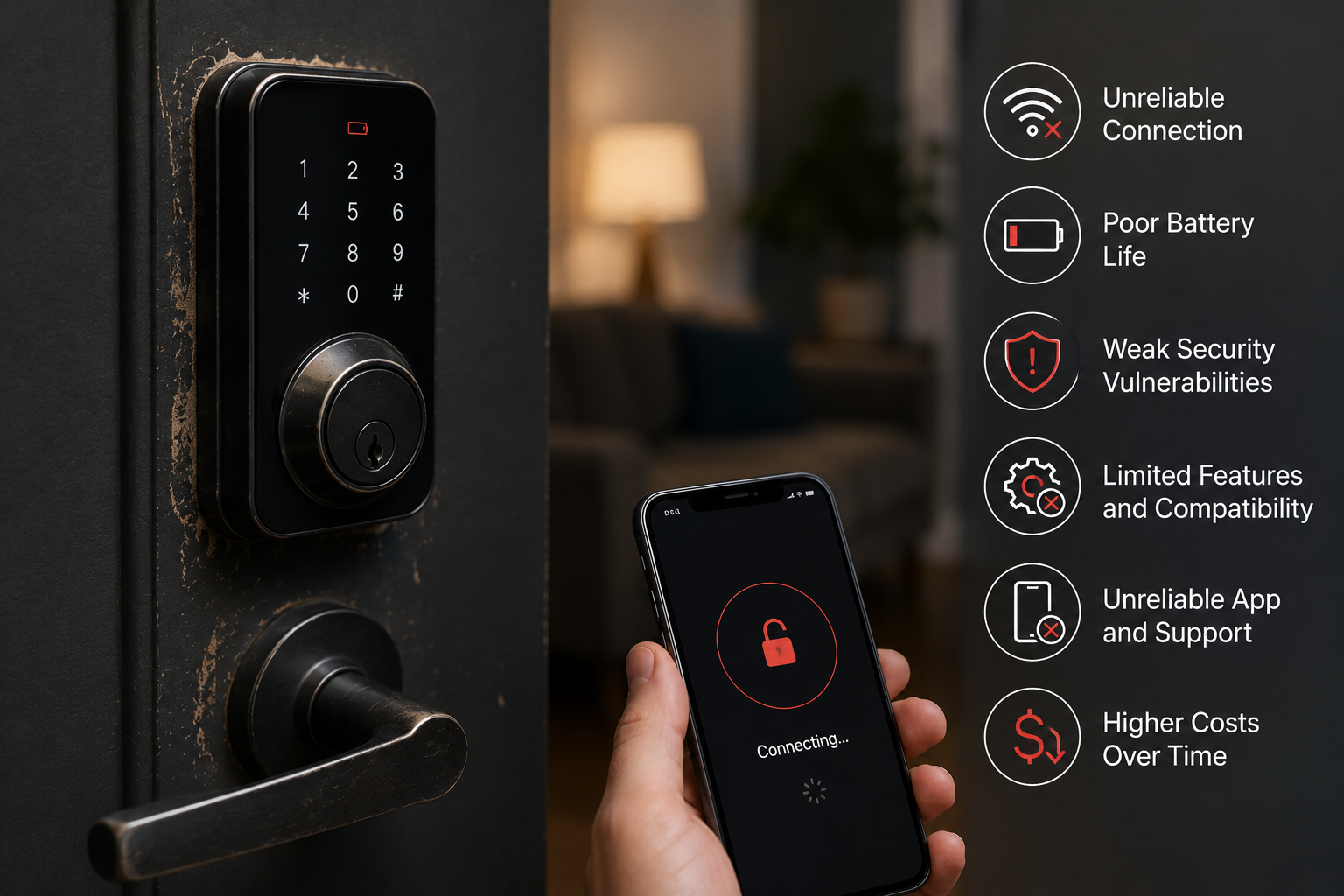
- Smart lock integration: Premium smart locks with AES 128-bit encryption, activity logs, and remote management offer capabilities that a mechanical lock cannot. The higher price reflects both the electronics and the software infrastructure behind them.
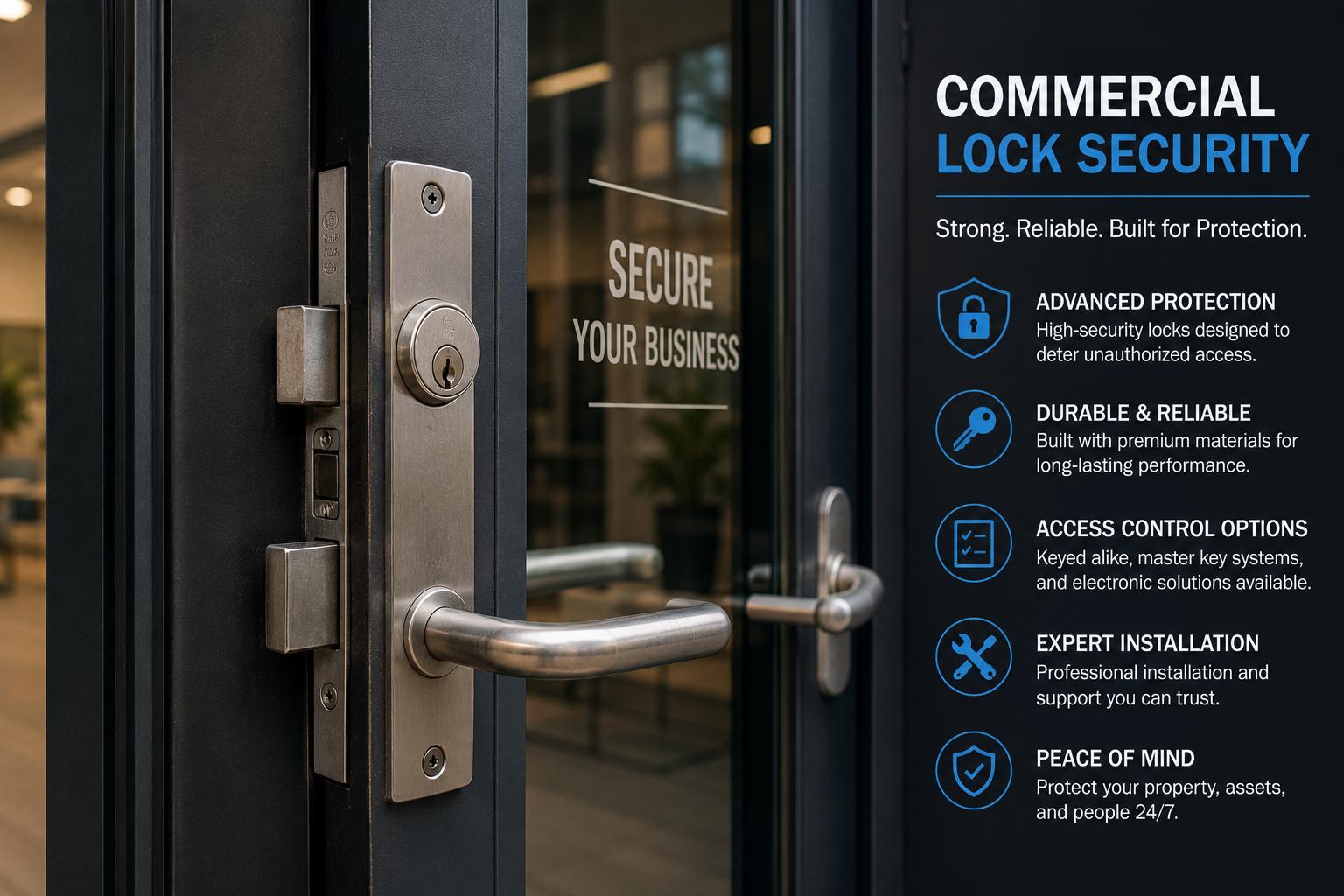
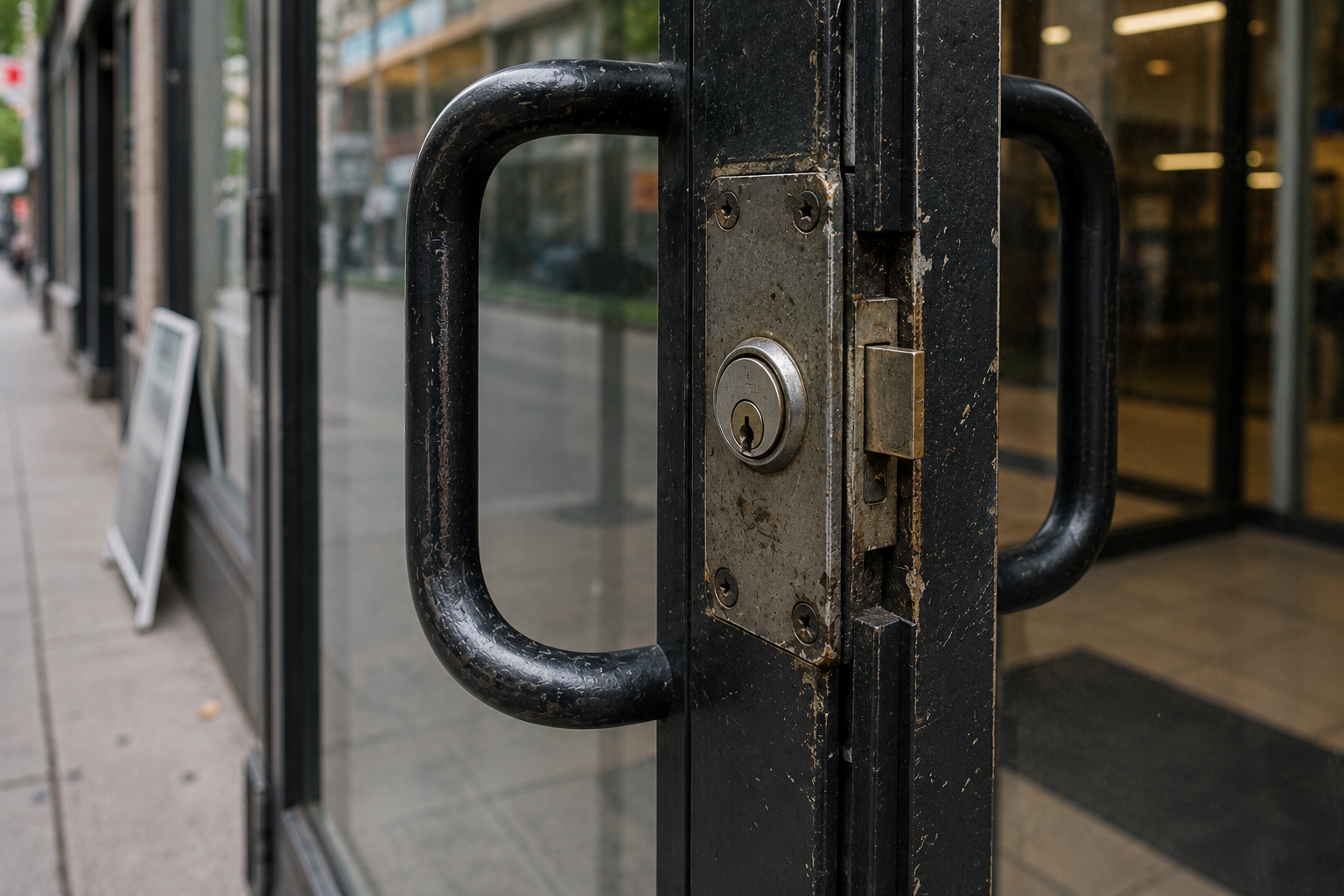
- Commercial-grade hardware: For Murray, Utah businesses with high foot traffic, ANSI Grade 1 commercial locks offer durability and attack resistance that standard residential hardware does not.
Where Higher Prices Do Not Add Security Value
It is equally important to identify where spending more does not actually improve protection. The following scenarios represent common areas where price does not track with security outcomes.
- Designer finishes: Polished chrome, venetian bronze, or matte black finishes add aesthetic cost with no security benefit.
- Smart lock brand premiums: Two smart locks with the same encryption standard and security certification perform identically regardless of which brand's logo is on the face plate.
- Higher-priced locks on weak door frames: A $300 deadbolt installed in a hollow-core door with a basic strike plate using short screws is dramatically less secure than a $80 Grade 1 deadbolt installed correctly with a reinforced strike plate. Installation quality and frame strength matter more than the lock itself in kick-in scenarios.
- Imported budget locks with inflated retail prices: Some locks are priced to appear premium while using the same low-grade internal components as much cheaper alternatives. Without an ANSI grade certification, there is no independent verification of performance.
Frequently Asked Questions
Is a $200 lock twice as secure as a $100 lock?
Not in any reliable way. Security performance scales with ANSI grade certification and specific security features — not linearly with price. A certified Grade 1 lock at $90 may provide better tested security than an uncertified lock at $200.
Do I need a high-security lock if I live in a low-crime area of Murray, Utah?
Security decisions should be based on your specific risk profile, not just neighborhood statistics. Even in lower-crime areas, the cost difference between a basic and a Grade 1 lock is modest enough that the upgrade is generally worth it for exterior doors. The primary benefit is durability as much as security.
Can I tell the grade of my current lock without removing it?
Sometimes. Grade 1 and Grade 2 locks are often marked on the face of the cylinder or the product packaging. If you still have the packaging, the ANSI grade should be listed. Otherwise, a locksmith can identify the grade during an assessment.
Are smart locks as physically secure as traditional deadbolts?
A quality smart lock with a Grade 1 or Grade 2 rating provides comparable physical security to a traditional deadbolt of the same grade. The electronic components do not reduce the mechanical security of a well-engineered smart lock, and the electronic features add a layer of management capability that traditional locks cannot provide.
Should I upgrade all exterior locks to Grade 1, or just the front door?
All exterior entry points benefit from Grade 1 hardware, not just the primary entrance. Burglars looking for the path of least resistance will use side doors, back doors, and garage entries if the front door is well secured. Consistency across all exterior doors is the more complete approach.
Spend on Grade, Not on Brand
The short answer to whether a higher lock price means better security is: sometimes, and only if you know what is driving that price. ANSI grade certification, security pin configurations, and reinforced construction are worth paying more for. Finishes, brand logos, and aesthetic design are not. The most useful habit any homeowner or business manager in Murray, Utah can develop is checking the ANSI grade before checking the price tag.
Lynn's Lockshop helps clients in Murray, Utah choose hardware that provides genuine security value without overspending on features that do not affect performance. If you are not sure whether your current locks are the right grade for your property, a call to
(801) 699-0511 is the fastest way to find out.