Can One Lost Office Key Become a Business Security Risk?
June 25, 2026
The Key That Didn't Come Back
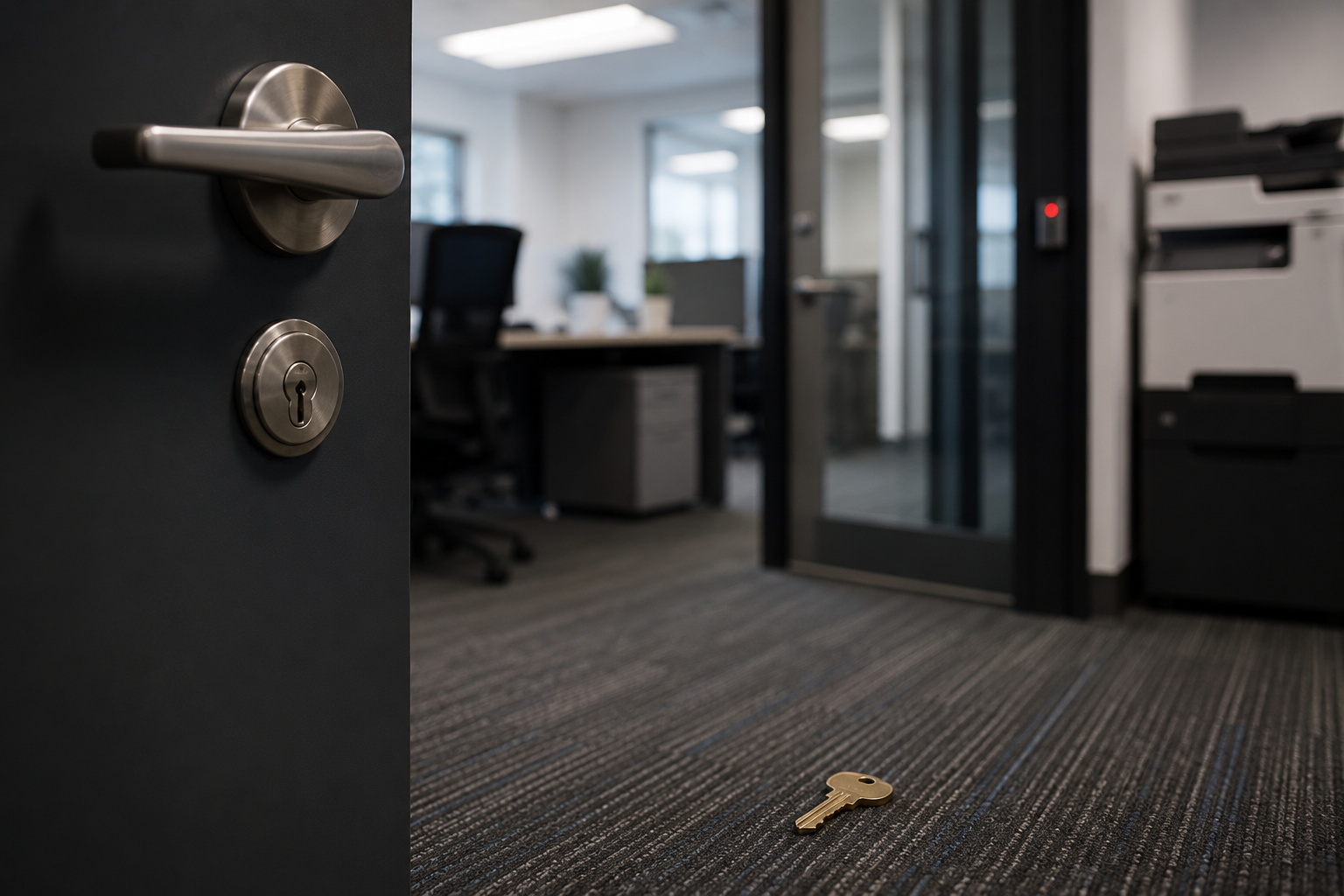
It starts small. An employee can't find their key, figures it will turn up, and life moves on. Days pass. The key never reappears. By that point, it feels too late to make a big deal out of it — nothing happened, after all. For business owners in Murray, Utah, this kind of reasoning is exactly how a minor inconvenience becomes a genuine security liability.
A single unaccounted-for
office key represents more than a missing piece of hardware. It represents permanent, unmonitored access to your premises by someone whose whereabouts and intentions you cannot verify.
Why a Single Key Carries More Risk Than It Seems
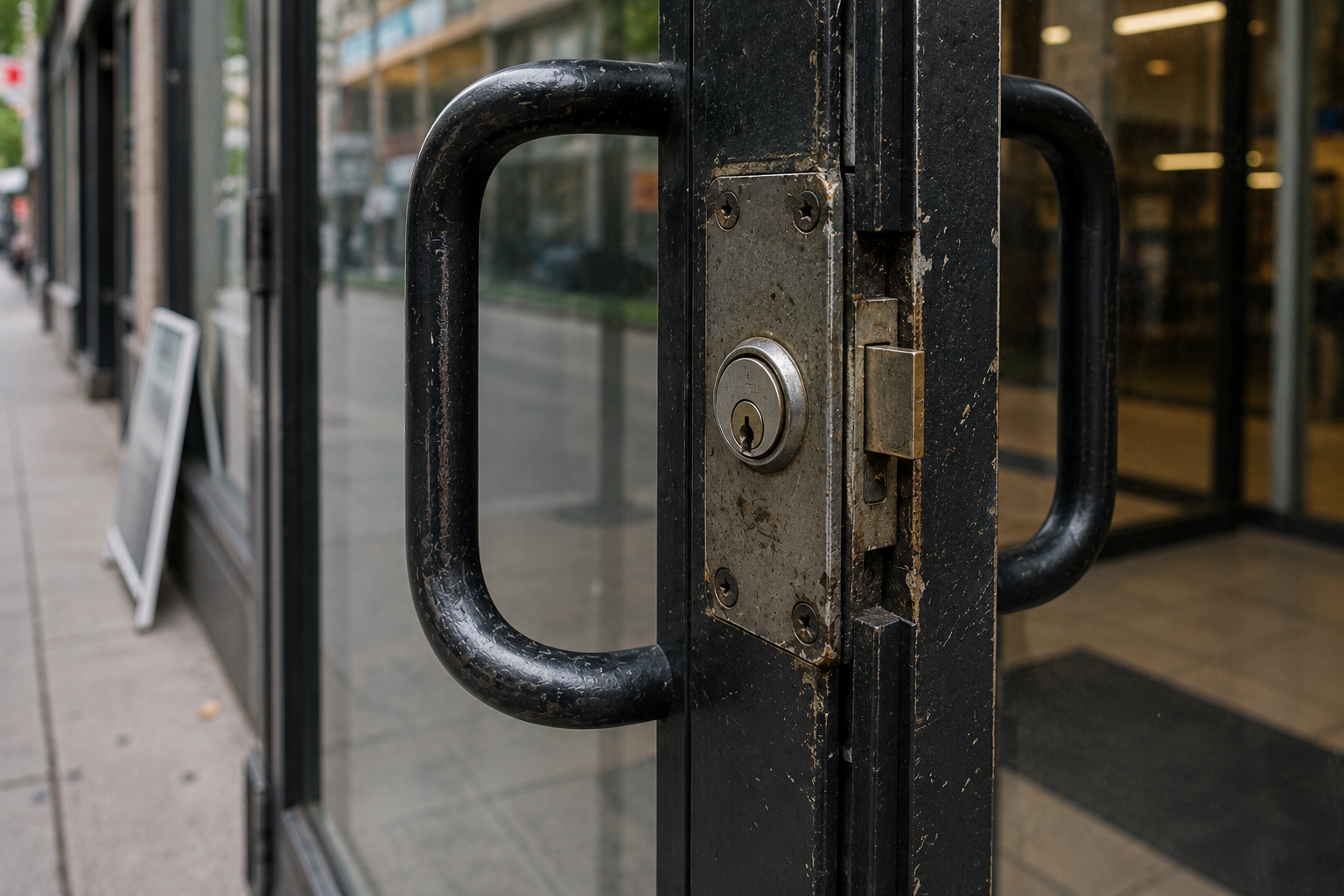
A physical key does not log entries. It does not require a PIN, a fingerprint, or any form of identity verification. Whoever holds it can use it at any time — after hours, on weekends, during a holiday closure — and you would have no record of their presence. For businesses in Murray, Utah that store sensitive client information, handle cash, or maintain valuable inventory, this is a meaningful exposure.
The risk is also not limited to the door that key opens. If the missing key was part of a sub-master or master key hierarchy — common in commercial properties — it may open multiple areas of your building simultaneously. What looked like one missing key could represent access to an entire floor.
What a Lost Key Actually Exposes
The scope of the risk depends on what that key opened. These are the most common areas of concern for Murray, Utah businesses:
- Main building entrance: After-hours access with no alarm trigger if the door is opened legitimately.
- Server rooms or data closets: Access to systems, stored files, and network hardware.
- Storage and inventory areas: Products, equipment, or supplies that can be removed without forced entry.
- Office suites and private offices: Access to client files, financial records, and personal belongings.
- Cash drawers or safes (if the key unlocks those areas): Direct financial exposure.
- Other staff areas: Break rooms, supply closets, or facilities that seem low-risk but provide operational intelligence to someone with bad intentions.
The Right Response: A Step-by-Step Plan
When a key goes missing and cannot be confirmed found, the response needs to be deliberate and fast. Here is a clear process to follow:
- Document the loss immediately: Have the employee submit a written report noting the date, which key it was, and where it was last seen. This creates a record for your files and for any future insurance claim.
- Assess what the key opened: Pull your key log or speak with your locksmith to confirm exactly which doors or areas that key accessed. The answer determines how urgent your response needs to be.
- Determine the identifiability of the key: If the key had a building name, address, or company identifier on it or on the key ring, the risk is elevated — a finder could trace it directly to your business.
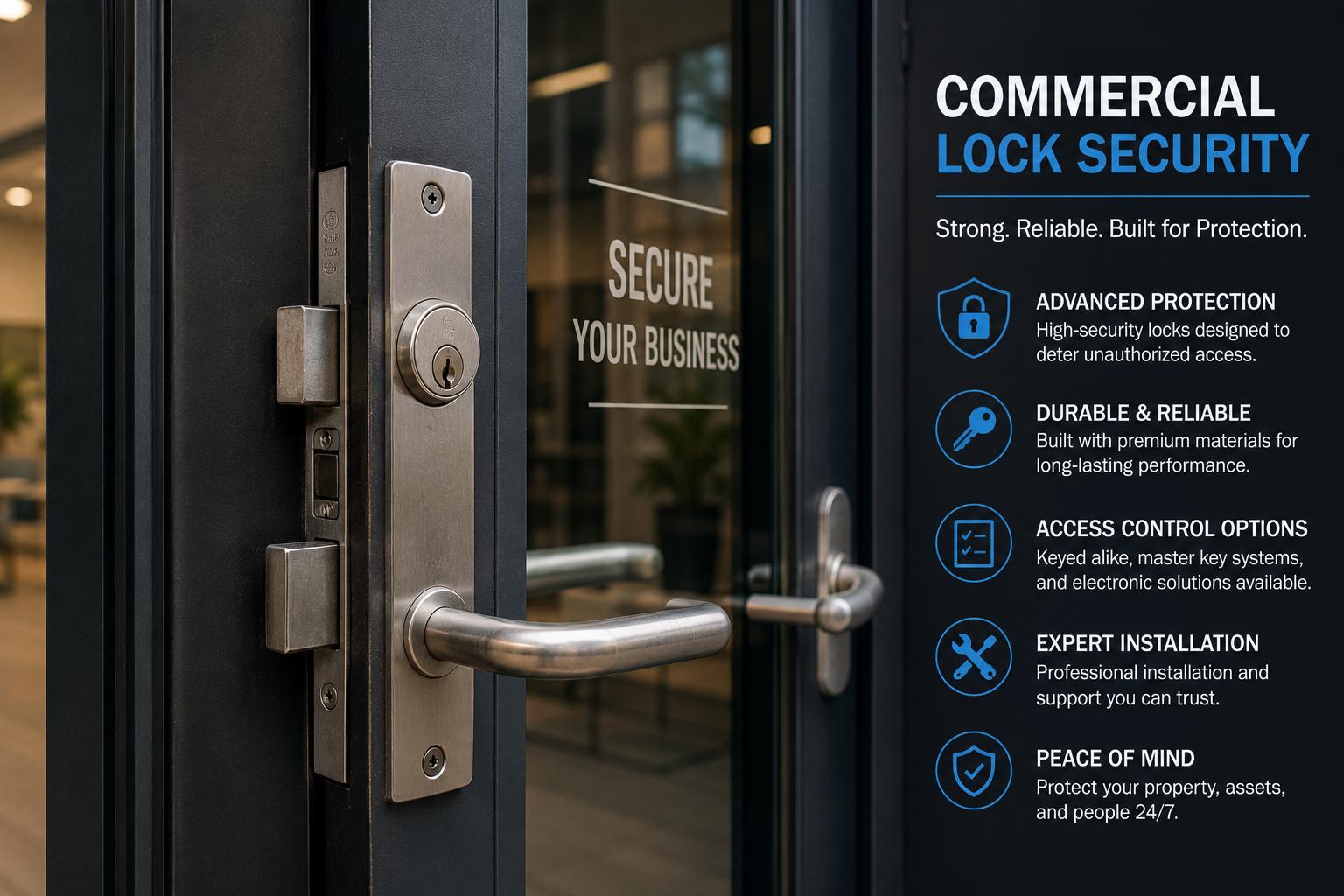
- Rekey the affected locks without delay: Rekeying changes the internal pin configuration of your locks so that the missing key no longer works, while your new key does. The existing hardware stays in place. It is fast, cost-effective, and eliminates the vulnerability immediately.
- Issue new keys with a proper log: Record who receives each new key, the date issued, and require a signed acknowledgment. This creates accountability from the start.
- Review your key control policy: Use this incident as a trigger to assess whether your current key management practices are sufficient for your business size and security requirements.
Signs Your Key Control Policy Needs an Upgrade
Many Murray, Utah businesses operate without any formal key control structure. If any of the following sound familiar, a policy review is overdue:
- No written record of which employees hold which keys
- Keys have been duplicated at hardware stores by employees without authorization
- Former employees have keys that were never confirmed returned
- No rekeying has occurred in the past two or more years
- Master keys exist but their distribution is not tracked
When to Consider Transitioning to Electronic Access
For businesses with frequent staff changes or multiple keyholders, electronic access control offers a structural solution to the recurring problem of physical key management. Instead of rekeying every time a key is lost or an employee leaves, you simply deactivate a digital credential. The system logs every entry with a timestamp, making it easy to audit access after the fact.
The upfront investment is higher than a standard rekeying, but for businesses in Murray, Utah that deal with ongoing turnover or manage multiple access points, the long-term savings in rekeying costs and the security benefits typically justify the switch.
Frequently Asked Questions
Does my business insurance cover losses from unauthorized access via a lost key?
Coverage varies significantly by policy. Most commercial property policies require documented evidence of forced entry to trigger coverage. Losses resulting from key-based access — where no sign of forced entry exists — are frequently excluded. Review your policy language and speak with your broker.
Can I get a copy of my lost key made and issue it to someone else instead of rekeying?
Technically yes, but this approach leaves the original missing key functional and does nothing to address the security gap. Rekeying is the only way to ensure that the lost key can never open your lock again.
How do I know if my keys are part of a master key system?
Your locksmith can confirm this. Master key systems are common in commercial buildings with multiple tenants or departments. If your building has a property manager, they may also have records of how the key hierarchy is structured.
What is a key log and do I really need one?
A key log is a written or digital record of every key issued: who holds it, when it was issued, and when it was returned. For any business with more than two or three employees, a key log is a basic security practice that eliminates ambiguity and creates accountability.
Can a locksmith rekey my office locks the same day I call?
In most cases, yes. A local locksmith serving Murray, Utah can typically schedule a same-day or next-day commercial rekeying. The actual service for a standard office usually takes a few hours depending on the number of doors involved.
One Key, One Decision, Murray, Utah
A lost office key forces a simple choice: address it now or wait and hope. Waiting costs nothing today and potentially a great deal later. Rekeying costs a modest amount today and eliminates the risk entirely.
Lynn's Lockshop works with businesses throughout Murray, Utah and the greater Salt Lake Valley on
commercial rekeying, lock audits, and key control planning. If a key has gone missing in your office, call
(801) 699-0511 and get it sorted before it becomes a problem you can't undo.