What Do Commercial Lock Upgrades Typically Cost
March 29, 2026
Security upgrades at a business usually don’t start as a big project. It often begins with everyday problems: a missing key, an employee who never returned access, or a door that no longer feels secure. Over time, those small issues add up and expose real risks. That’s when many owners and property managers start thinking about upgrading their locks.
Costs can vary widely, though, which makes planning difficult. Replacing a few cylinders is very different from installing restricted key systems or electronic access across multiple entrances. For businesses operating in Murray, Utah, understanding what actually drives commercial lock upgrade pricing helps you choose the right level of protection without overspending.
This guide explains what qualifies as an upgrade, what typical services cost, and how to evaluate the best option for your building.
What Counts as a Commercial Lock Upgrade
A commercial lock upgrade is any improvement that strengthens security, increases durability, or gives you better control over who can enter your building. It goes beyond simply fixing a broken part.
In many cases, the goal isn’t just replacing hardware but improving how access is managed. Businesses may want fewer keys in circulation, better tracking of employees, or stronger locks that hold up to heavy daily use. An upgrade can involve changing internal components, installing new commercial-grade hardware, or moving to electronic access systems.
The scope can range from a quick rekey to a complete building-wide access solution.
Common Types of Commercial Lock Upgrades
Businesses choose different upgrades depending on their needs. The following options are the most common approaches used to improve security or convenience.
Before selecting a solution, it helps to understand what each one offers:
Rekeying existing locks
Keeps current hardware but changes internal pins so old keys no longer work. This is the most affordable way to regain control after staff turnover or lost keys.
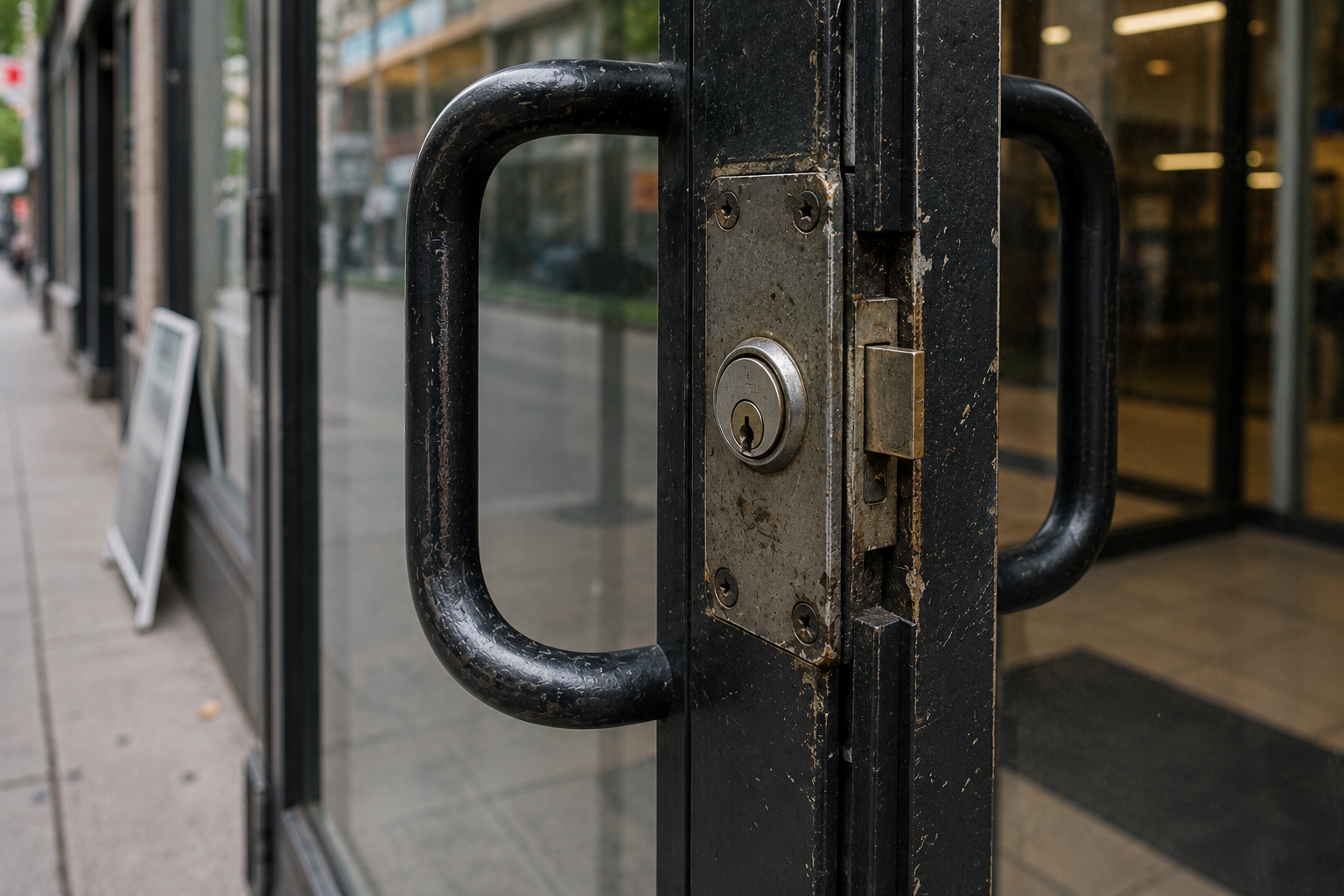
Heavy-duty hardware replacement
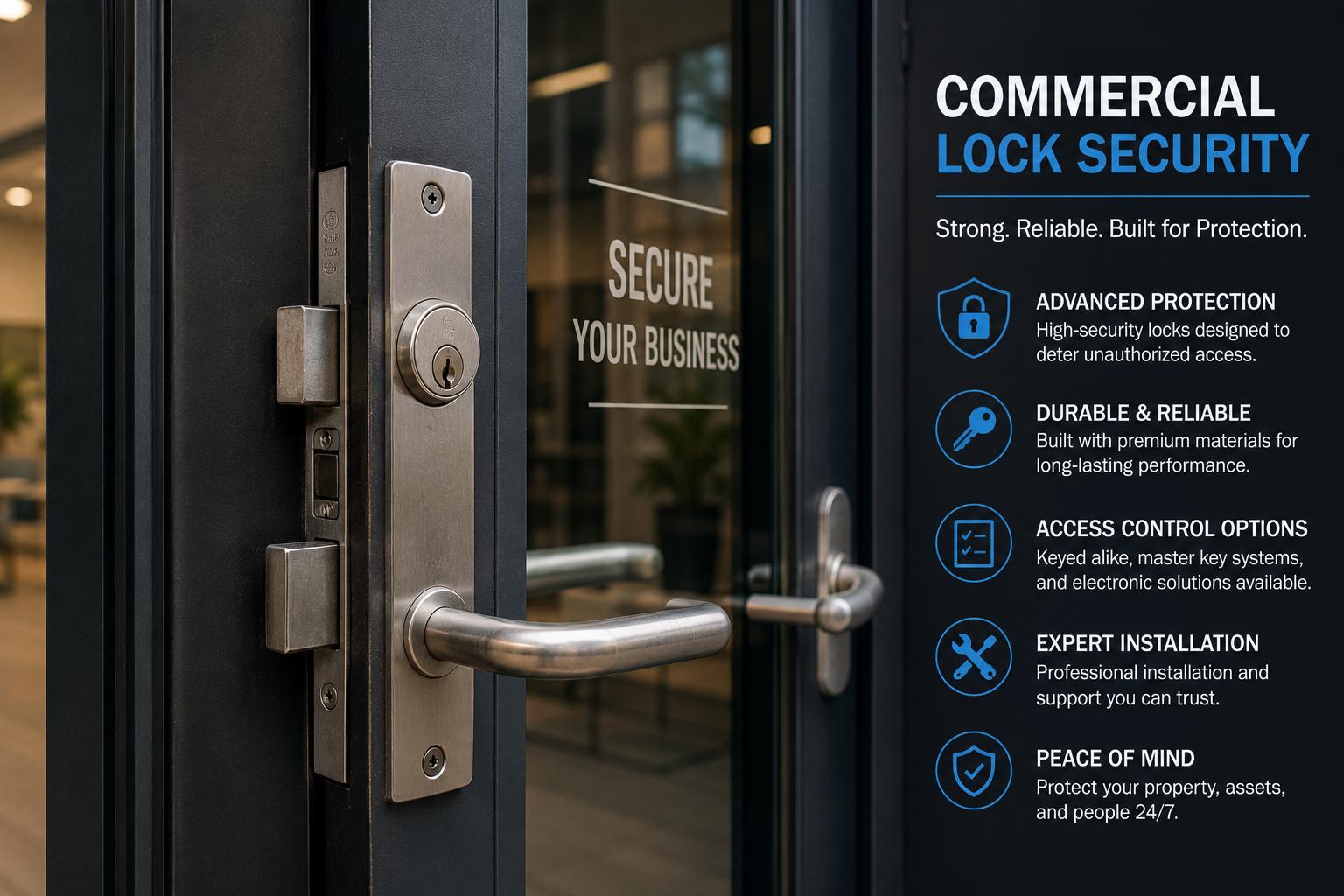
Upgrades to commercial-grade deadbolts, lever handles, or reinforced strike plates designed to handle frequent daily use and provide stronger resistance to forced entry.
Master key systems
Creates a structured key hierarchy where managers can access multiple doors while employees only open specific areas.
Restricted key systems
Uses protected keyways that prevent unauthorized duplication, improving long-term key control.
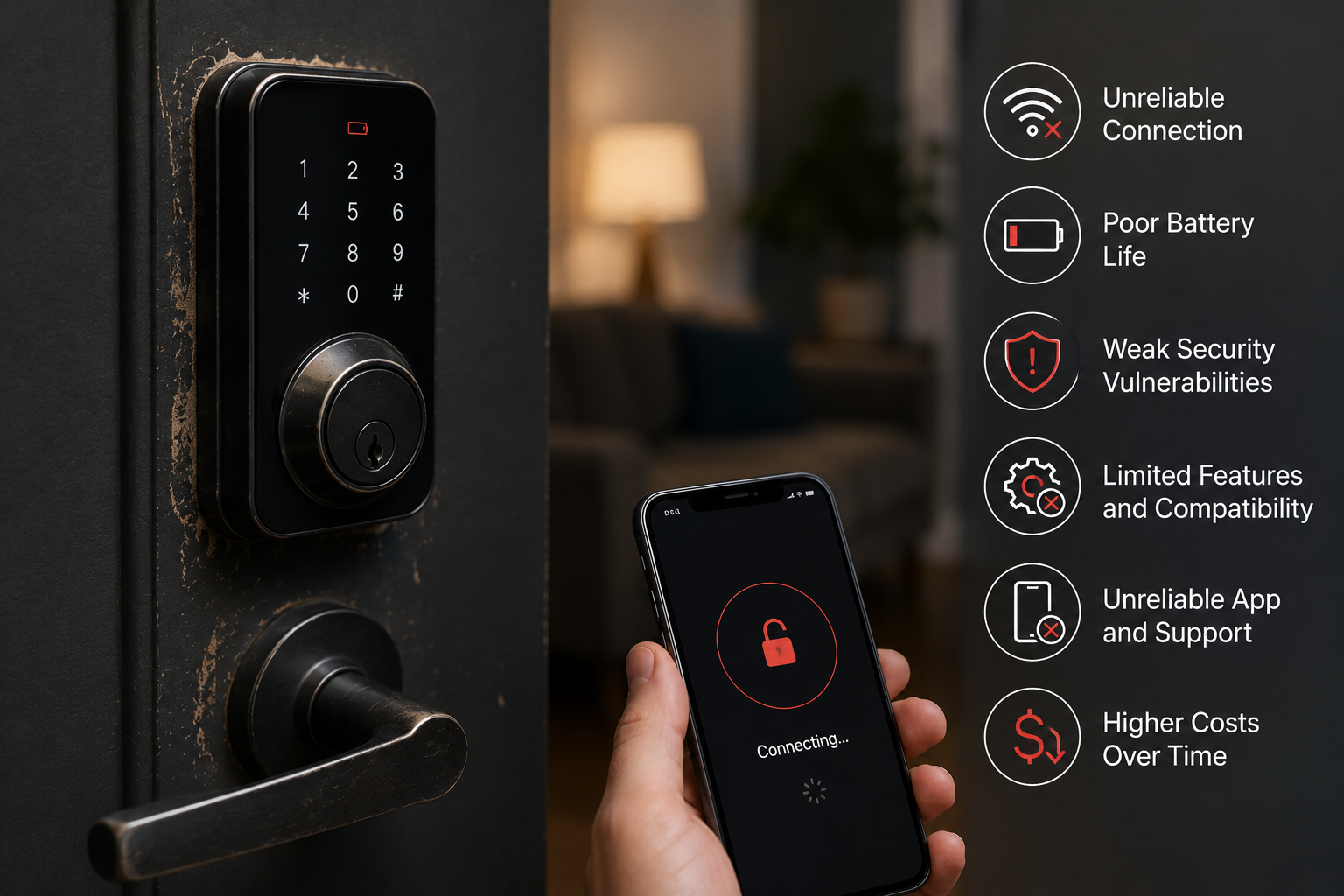
Keypad or electronic locks
Allows access through codes, cards, or fobs instead of physical keys, reducing the need to cut and track duplicates.
Full access control systems
Connects doors to a centralized system that tracks entries, manages permissions, and allows remote changes.
Each step up typically increases both cost and control.
Typical Cost Ranges by Upgrade Type
To plan a budget effectively, it helps to compare common price ranges side by side. Costs depend on hardware, labor, and system complexity.
| Upgrade Type | Typical Cost Range | What’s Included |
|---|---|---|
| Rekeying | $20–$40 per lock | Labor + new pins/keys |
| Commercial deadbolt install | $120–$250 per doo | Heavy-duty hardware |
| Lever/handle set replacement | $150–$300 per door | Commercial-grade parts |
| Master key system setup | $300–$1,000+ | System design + cylinders |
| Restricted key system | $40–$80 per cylinder | Controlled key duplication |
| Keypad/electronic lock | $250–$600 per door | Device + programming |
| Access control system | $1,500–$5,000+ | Multi-door networked setup |
A small storefront might only spend a few hundred dollars, while larger offices or multi-unit properties may invest several thousand.
Factors That Influence Your Final Price
Even similar buildings can receive very different estimates. Pricing changes based on the size of the property and the complexity of the security setup.
Several practical factors typically affect the total:
- Number of doors or entry points
- Door material (wood, metal, or glass storefront)
- Grade and durability of hardware
- Complexity of master key structures
- Electrical wiring needs for electronic locks
- After-hours or emergency installation
- Local building code or ADA requirements
The more doors and the more advanced the system, the higher the overall cost.
How Commercial Lock Upgrades Are Typically Planned
Because upgrading security involves both cost and operational impact, businesses usually follow a logical decision process rather than replacing everything at once.
Most upgrades move through these steps:
- Identify current risks such as lost keys, break-ins, or outdated hardware
- Decide which areas need limited or shared access
- Select mechanical or electronic solutions
- Set a realistic budget
- Install during off-hours to avoid disruption
This structured approach ensures money is spent where it actually improves security.
Mechanical Locks vs Electronic Systems
Choosing between traditional hardware and electronic access is a common decision. Each option has strengths depending on the size and needs of your business.
| Feature | Mechanical Locks | Electronic/Keypad Locks |
|---|---|---|
| Upfront cost | Lower | Higher |
| Maintenance | Minimal | Batteries/software |
| Key control | Physical keys | Codes/cards |
| Lost access solution | Rekey required | Disable instantly |
| Best for | Small teams | Larger staff or turnover |
For many smaller offices, upgraded mechanical locks combined with a master key system provide excellent security at a lower cost. Electronic systems become more practical as staff size grows.
When an Upgrade Saves Money Long-Term
Although upgrades involve upfront expenses, they often reduce future costs. Stronger hardware and better access control mean fewer emergencies and fewer service calls.
Upgrades typically pay off when businesses experience:
- Frequent employee turnover
- Lost or unreturned keys
- Repeated rekeying costs
- Security incidents or theft
- Multiple tenants or departments needing controlled access
Investing once in better systems can prevent repeated spending later.
FAQs About Commercial Lock Upgrade Costs
How much does it cost to upgrade locks on a small office?
Most small offices spend between $300 and $1,200 depending on door count and hardware type.
Is rekeying enough for a business?
If hardware is in good condition and you only need to invalidate old keys, rekeying is often sufficient and very affordable.
Are electronic locks worth the extra cost?
They are often worth it for larger teams or frequent staff changes because access can be managed instantly without cutting new keys.
How long does installation take?
Basic upgrades may take a few hours, while full access control systems can take a day or more.
Can upgrades be done outside business hours?
Yes. Many locksmiths schedule commercial installations after hours to minimize disruption.
Conclusion
Commercial lock upgrade costs depend on how much security and control your business needs. Simple improvements like rekeying or installing stronger hardware remain affordable, while master key systems and electronic access provide greater convenience at a higher price point. Matching the solution to your building’s actual risks is the most cost-effective approach.
For businesses throughout Murray, partnering with a trusted local provider like
Lynn's Lockshop can make the process straightforward, with clear pricing and practical recommendations tailored to your space. The right upgrade protects your property, your staff, and your operations without unnecessary expense.